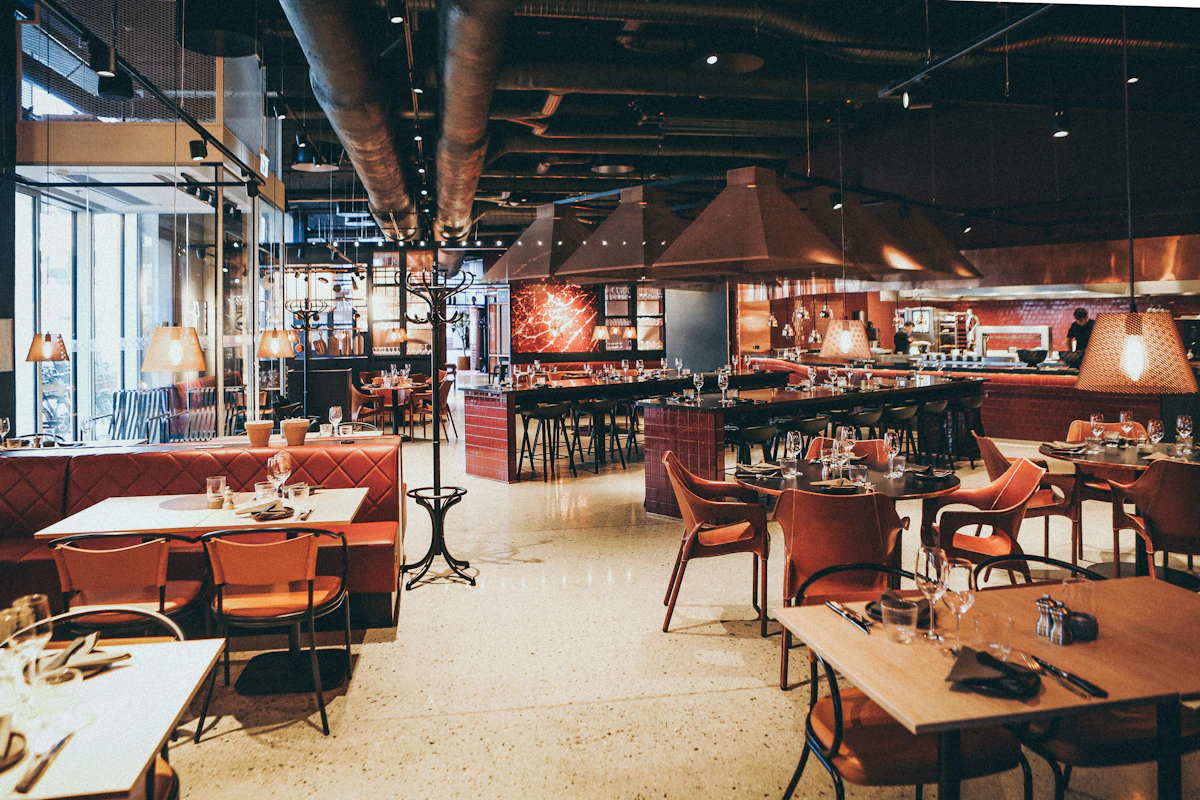


Opening and operating a restaurant or commercial cloud kitchen in India is a masterclass in navigating statutory regulations. Food business operators (FBOs) must comply with dozens of federal, state, and municipal regulations spanning food hygiene, Goods and Services Tax (GST), fire safety, liquor excise, and labor standards. A single regulatory oversight can result in heavy monetary fines, sudden closure notices, or confiscation of operational licenses.
In this comprehensive compliance playbook, we demystify the regulatory framework governing Indian foodservice businesses in 2026, providing step-by-step clarity on FSSAI licensing, GST structuring, tax collected at source (TCS), and digital invoice compliance.
The FSSAI Licensing Hierarchy Explained
Under the Food Safety and Standards Act of 2006, every food business operator—from a single-burner street stall to a national fine-dining chain—must hold a valid license or registration from the Food Safety and Standards Authority of India (FSSAI). Licensing falls into three statutory tiers based on annual turnover and production volume:
1. FSSAI Basic Registration
- Eligibility: Petty food manufacturers, small canteens, kiosks, or home bakers with an annual turnover below ₹12 Lakhs.
- Filing Form: Form A via the FoSCoS (Food Safety Compliance System) portal.
- Validity: 1 to 5 years, renewable 30 days prior to expiry.
2. FSSAI State License
- Eligibility: Mid-sized dine-in restaurants, cloud kitchen facilities, bars, and catering businesses with an annual turnover between ₹12 Lakhs and ₹20 Crores operating within a single state.
- Filing Form: Form B on the FoSCoS portal with detailed kitchen layout blueprints, list of commercial equipment, water potability certificates, and electricity bills.
- Turnaround Time: Typically 30 to 60 days following physical premises inspection by a designated Food Safety Officer (FSO).
3. FSSAI Central License
- Eligibility: Large enterprise chains operating across two or more states, food businesses situated inside central government premises (airports, defense, seaports), 100% export-oriented units, or single facilities with annual turnover exceeding ₹20 Crores.
- Jurisdiction: Issued directly by the Central FSSAI Authority in New Delhi.
Mandatory Requirement: The 14-digit FSSAI license number must be clearly printed on all customer invoices, bill receipts, packaging labels, and prominently displayed on the front entrance door and online menu portals.
Mandatory Food Safety Operational Protocols
Holding an FSSAI license is not a one-and-done administrative chore; it demands strict ongoing culinary documentation:
- FoSTaC Certified Supervisors: Under FSSAI regulations, every food establishment must employ at least one certified Food Safety Supervisor for every 25 food handling staff. Supervisors must complete mandatory Food Safety Training & Certification (FoSTaC).
- Semi-Annual Water Testing (IS 10500): Commercial kitchens must conduct comprehensive microbiological and chemical water potability testing twice a year through a NABL-accredited laboratory to verify absence of E. coli and coliform bacteria.
- Daily Temperature Logging: Kitchen supervisors must record morning and evening temperature logs for walk-in chillers (0°C to 4°C) and deep freezers (-18°C or below).
- Pest Control Management Contracts: Signed service contracts with authorized pest exterminators, including quarterly fumigation logs and bait station layout maps.
The 5% vs. 18% GST Framework for Foodservice
GST compliance in the restaurant industry contains critical nuances regarding Input Tax Credit (ITC) eligibility that frequently confuse restaurant founders and accountants:
1. Standalone Restaurants and Cloud Kitchens: Flat 5% GST (No ITC)
All standalone dine-in restaurants, takeaway kiosks, and cloud kitchens—regardless of whether they operate air conditioning or serve alcohol—are categorized under 5% GST (2.5% CGST + 2.5% SGST) with zero Input Tax Credit (ITC).
- The Implication: You charge your diners 5% tax on food and non-alcoholic beverages. However, you cannot offset the GST you pay on commercial rent (18%), kitchen equipment purchases (18%), packaging boxes (12%–18%), or cloud software subscriptions (18%). That GST expense becomes a direct operational cost.
2. Hotel-Attached Restaurants: 18% GST (With Full ITC)
If your restaurant is located inside a hotel premises where the declared room tariff for any room exceeds ₹7,500 per day, your restaurant must levy 18% GST (9% CGST + 9% SGST), but you are entitled to claim full Input Tax Credit (ITC) on all business expenses, capital equipment, and vendor supplies.
3. Liquor and Alcoholic Beverages: State Excise Exemption
Alcoholic liquor for human consumption remains outside the jurisdiction of GST. When a customer orders beer, cocktails, or spirits, that portion of the bill is taxed under respective State Excise and State VAT regulations (typically ranging from 10% to 25% depending on the state), while food items on the same bill are taxed under 5% GST. POS software must support dual-tax split invoice generation on combined dining tickets.
Statutory Licenses Checklist for Indian Restaurants
| License / Clearance | Issuing Authority | Validity & Renewal | Penalties for Non-Compliance |
|---|---|---|---|
| FSSAI Food License | FSSAI (State / Central) | 1 to 5 Years | Up to ₹5,00,000 fine and up to 6 months imprisonment |
| Municipal Health Trade License | Local City Corporation (BBMP, BMC, MCD, etc.) | 1 Year (Annual Renewal) | Premises sealing, cancellation of trade authorization |
| Fire Safety NOC | State Fire Service Directorate | 1 to 3 Years | Immediate disconnection of electricity and water utilities |
| Pollution Control Board Consent | State Pollution Control Board (SPCB) | Consent to Establish (CTE) & Operate (CTO) | Heavy environmental remediation penalties |
| Music & Copyright Public Performance | IPRS & PPL India | Annual License | Copyright infringement damages and civil litigation |
| Signage License | Municipal Advertisement Department | Annual Permit | Confiscation and physical dismantling of outdoor boards |
E-Invoicing and Digital Billing Mandates
Modern tax authorities require absolute digital transparency in commercial transactions:
- SAC Codes: All restaurant bills must specify correct Services Accounting Codes:
- SAC 996331: Restaurant and dining room services with seating.
- SAC 996332: Fast-food and cloud kitchen takeaway or home delivery services.
- SAC 996333: Outdoor catering and banqueting services (subject to specific tax conditions).
- B2B E-Invoicing: If your restaurant caters corporate orders, private parties, or events billed to registered corporate GSTINs, establishments exceeding applicable turnover thresholds must generate electronic invoices via the Government E-Invoice Portal, printing the dynamic IRN (Invoice Reference Number) and signed QR code directly on the final invoice.
- Section 9(5) Aggregator Withholding: Under Section 9(5) of the CGST Act, electronic commerce operators (aggregators) are legally responsible for paying GST on restaurant delivery orders fulfilled through their platforms. Restaurant accountants must reconcile platform payout settlements monthly against GSTR-8 and GSTR-1 filings.
The Restaurant Compliance Calendar
- Daily: Maintain temperature calibration logs, oil degradation (Total Polar Compounds - TPC) readings, and FIFO raw ingredient labels.
- Monthly (by 11th & 20th): File GSTR-1 (Outward Supplies) and GSTR-3B (Summary Tax Return & Reconciliation).
- Quarterly: Clean grease traps, inspect fire suppression hoods, and service all dry-chemical ABC fire extinguishers.
- Bi-Annually: Send water samples from main kitchen filtration lines to a certified NABL lab for potability certification.
- Annually (60 days before expiry): Submit renewal filings for FSSAI licenses, Municipal Health Trade permits, and Labor Department shop and establishment certificates.
Operating a fully compliant restaurant requires rigorous documentation and digital billing systems. By staying ahead of compliance schedules, restaurant owners safeguard their operational stability, protect guest health, and build an enduring, defensible culinary business.